Cabins Near Glacier National Park: Complete 2026 Guide
Best Areas for Glacier National Park Cabin Stays
Planning a trip to Glacier National Park and searching for the perfect cabin? You’re not alone. Over 3 million people visit Glacier annually, and finding quality lodging at reasonable prices has become increasingly difficult. West Glacier accommodations book months in advance and charge premium rates, while Whitefish properties have evolved into luxury vacation rentals with luxury price tags to match.
The good news? Better options exist if you’re willing to look beyond the obvious choices. This guide covers all major cabin areas near Glacier National Park, compares pricing and availability, and reveals a quieter, more affordable alternative that most visitors never consider.
Why Finding Cabins Near Glacier is Challenging
The Popularity Problem
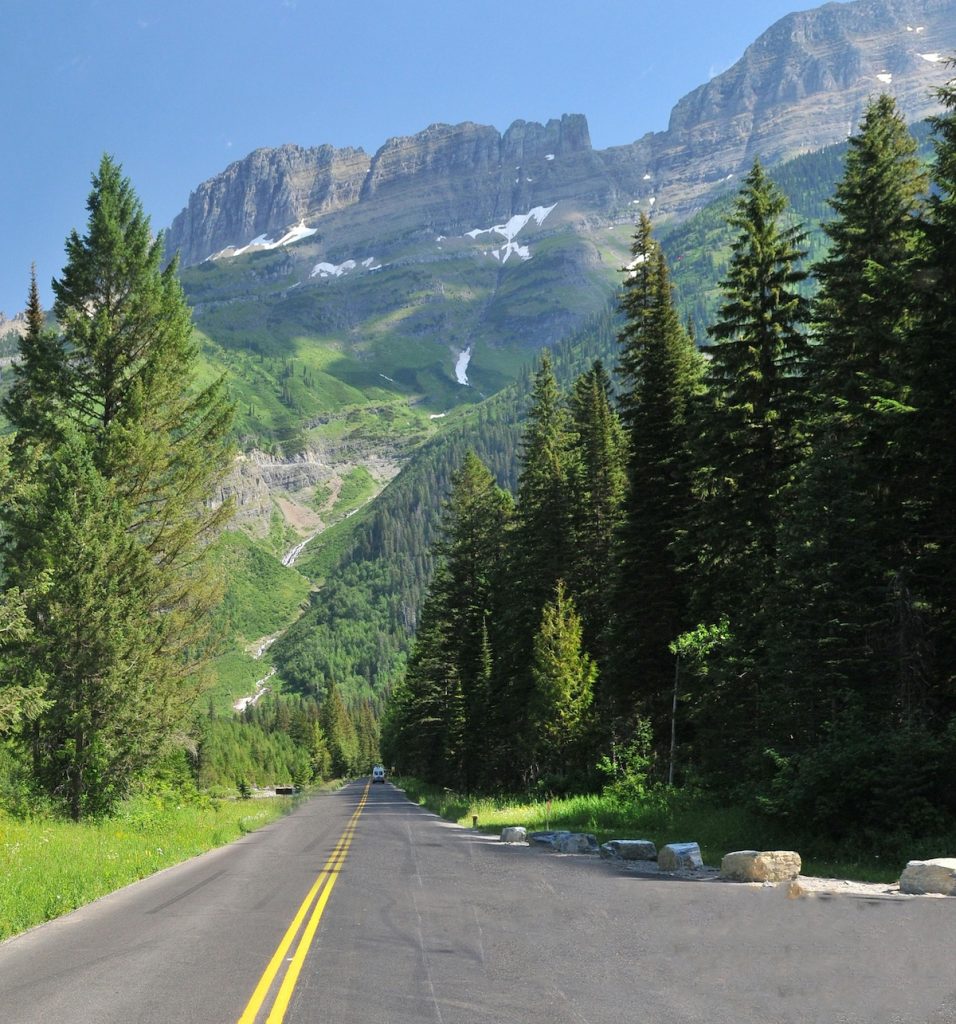
Glacier National Park’s stunning scenery and iconic Going-to-the-Sun Road have made it one of America’s most visited national parks. This popularity creates intense competition for lodging, especially during peak summer months from June through September.
Cabins within 30 minutes of park entrances typically book 6-12 months in advance. Last-minute travelers often find themselves choosing between extremely expensive last-minute rentals, budget motels an hour away, or camping if permits remain available.
The Price Premium
Proximity to Glacier’s west entrance commands premium pricing. Cabins in West Glacier, Coram, and Columbia Falls regularly exceed $300-500 per night during summer, with some luxury properties reaching $800+ nightly. These rates have increased 40-60% over the past five years as demand has outpaced supply.
Even basic cabins without modern amenities charge rates that would buy luxury accommodations in other Montana destinations. The “Glacier premium” applies to everything from grocery stores to gas stations in the immediate area.
Limited Availability
The number of overnight accommodations near Glacier hasn’t kept pace with visitor increases. Park lodges like Lake McDonald Lodge and Many Glacier Hotel book out within hours of becoming available. Private cabin rentals, vacation homes, and hotels in gateway communities fill quickly, leaving latecomers with few options.
Weekends are particularly difficult, with Friday and Saturday nights often requiring 3-4 night minimum stays during peak season.
West Glacier Area Cabins
Location and Access
West Glacier sits at Glacier National Park’s primary entrance and the start of Going-to-the-Sun Road. This location provides unbeatable park access, with the entrance gate minutes from your cabin door. You’ll drive less and maximize time in the park.
The area includes West Glacier proper, neighboring Coram (10 miles west), and Hungry Horse (15 miles south). All three communities offer cabin rentals within 30 minutes of the park entrance.
Cabin Options and Pricing
West Glacier area cabins range from rustic historical structures to modern luxury rentals. Expect to pay:
– Basic cabins (1-2 bedrooms, limited amenities): $250-350/night – Mid-range cabins (full kitchen, modern amenities): $350-500/night – Luxury cabins (3+ bedrooms, high-end finishes): $500-800+/night
These rates apply to peak summer season (July-August). Shoulder season (May-June, September) typically runs 20-30% lower. Winter rates drop significantly but many properties close seasonally.
Advantages
Proximity to Glacier’s west entrance is the primary draw. You’ll spend less time driving and more time exploring. Early morning wildlife viewing opportunities improve when you’re staying nearby. Evening return to your cabin takes minutes rather than hours.
The area offers restaurants, shops, and services catering to park visitors. You’ll find everything from casual dining to gear shops and grocery stores within the immediate vicinity.
Disadvantages
Prices run 40-50% higher than comparable cabins in other Montana locations. Availability requires booking many months in advance, often 9-12 months for peak summer dates. Minimum night stays of 3-7 nights are common during peak season.
The area sees heavy tourist traffic during summer months. Restaurants often have long wait times. Roads can be congested, particularly late afternoon when visitors exit the park.
Booking Resources:
– VRBO and Airbnb (primary cabin rental platforms)
– West Glacier area vacation rental agencies
– Book 9-12 months in advance for summer dates
Whitefish Cabins
Location and Access
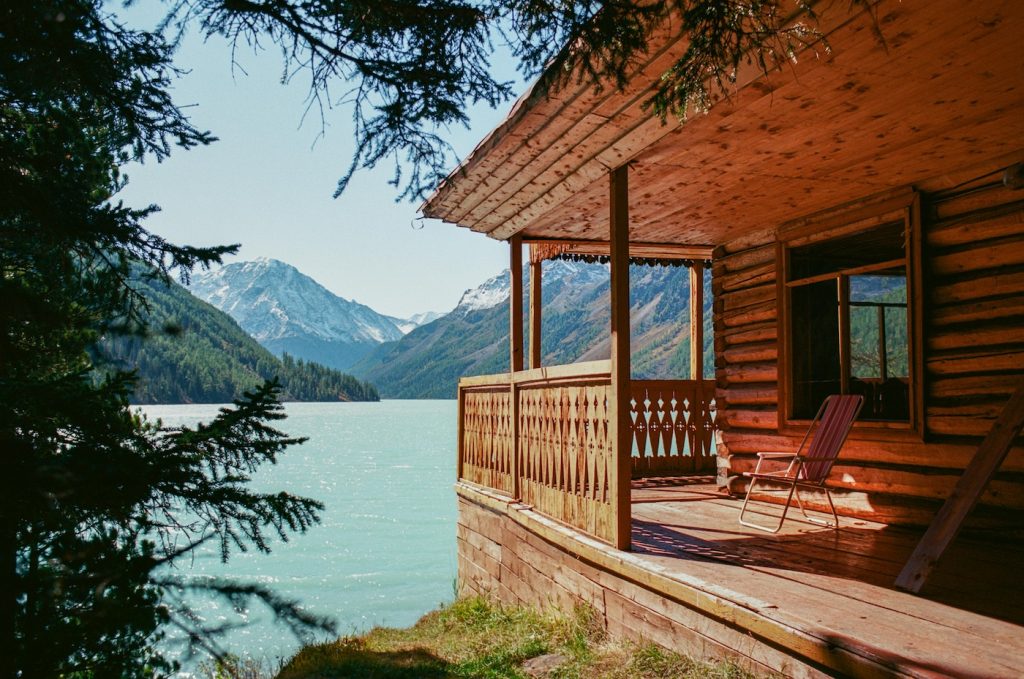
Whitefish sits 30 miles west of Glacier’s west entrance, roughly 45-60 minutes driving time depending on traffic. This Montana resort town has evolved from logging community to upscale tourism destination, anchored by Whitefish Mountain Resort ski area.
The town offers year-round tourism infrastructure with restaurants, shops, breweries, and recreation opportunities independent of Glacier National Park. Many visitors split time between park exploration and Whitefish activities.
Cabin Options and Pricing
Whitefish cabin rentals lean toward luxury vacation properties with premium amenities. Pricing reflects the resort town atmosphere:
– Standard cabins (2-3 bedrooms): $300-450/night – Luxury mountain homes (3-5 bedrooms): $500-800/night – Premium properties (5+ bedrooms, resort amenities): $800-1,500+/night
These rates reflect peak summer and winter ski season. Shoulder seasons offer better availability and lower rates but many visitors specifically choose Whitefish for summer or winter resort experiences.
Advantages
Whitefish provides complete tourism infrastructure with excellent restaurants, shopping, and nightlife. The town maintains charm and walkability despite growth. Whitefish Lake offers boating, swimming, and water activities providing alternatives to park exploration.
Winter visitors can combine Glacier access with skiing at Whitefish Mountain Resort. This makes Whitefish an attractive year-round destination rather than summer-only like many park gateway towns.
Disadvantages
The 45-60 minute drive to Glacier’s west entrance adds 1.5-3 hours daily commute time. Morning wildlife viewing opportunities suffer when you can’t reach the park before other visitors arrive. Evening returns after sunset mean hour-long drives on winding mountain roads.
Pricing rivals West Glacier despite the additional distance. You’re paying resort town premiums for location and amenities that don’t directly relate to park access. Minimum stays of 3-5 nights are common during both summer and ski season.
Booking Resources:
– Whitefish vacation rental management companies
– VRBO, Airbnb, and Vacasa
– Book 6-9 months in advance for peak seasons
East Glacier and St. Mary Cabins
Location and Access
The park’s east side offers a completely different Glacier experience. East Glacier Park village and St. Mary sit along the park’s eastern boundary, providing access to Many Glacier area and the east end of Going-to-the-Sun Road.
This side of the park sees fewer visitors than the west side and offers different scenery showcasing the transition from mountains to prairie. The drive from east to west through the park takes 2-3 hours when Going-to-the-Sun Road is open (typically July through mid-September).
Cabin Options and Pricing
East side accommodations are more limited than west side options. Cabins tend toward rustic, historical properties with basic amenities:
– Basic cabins (1-2 bedrooms): $200-300/night – Modern cabins (full amenities): $300-450/night
Pricing runs 20-30% lower than comparable west side properties. Availability is somewhat better with advance planning, though peak season still requires early booking.
Advantages
Lower prices provide significant savings compared to west side accommodations. The east side of Glacier offers spectacular scenery with fewer crowds. Many Glacier Valley, accessible from this side, is considered by many to be the park’s most beautiful area.
The nearby Blackfeet Indian Reservation adds cultural experiences unavailable on the west side. St. Mary has basic services including restaurants, shops, and gas stations.
Disadvantages
Limited restaurant and service options compared to west side gateway communities. Going-to-the-Sun Road typically opens late (July) and closes early (mid-September) from the east side, limiting access to park interior during much of the summer season.
Weather can be harsher on the east side with stronger winds and less tree cover. The drive to west side attractions and trailheads requires 2-3 hours each way when the road is open, longer when it’s closed.
Booking Resources:
– Local property management companies
– VRBO and Airbnb (limited inventory)
– Book 4-6 months in advance
Columbia Falls Area
Location and Access
Columbia Falls sits 15 miles west of Glacier’s entrance, providing a middle ground between West Glacier’s proximity and Whitefish’s resort amenities. The town of 5,000 residents maintains small-town character while offering basic services and restaurants.
The location provides 20-30 minute access to the park entrance, significantly better than Whitefish while avoiding West Glacier’s premium pricing and heavy tourist concentration.
Cabin Options and Pricing
Columbia Falls cabins range from modest properties to nice vacation rentals:
– Budget cabins (basic amenities): $150-250/night – Mid-range cabins (modern amenities): $250-400/night – Luxury rentals (high-end properties): $400-600/night
Pricing runs 20-30% below comparable West Glacier properties while maintaining reasonable park access. This makes Columbia Falls an attractive middle-ground option for budget-conscious visitors.
Advantages
Lower pricing compared to West Glacier and Whitefish while maintaining reasonable park access. The town offers grocery stores, restaurants, and services without overwhelming tourist crowds.
Proximity to Whitefish (15 minutes) allows access to resort town amenities when desired. Columbia Falls serves as a practical basecamp balancing price, access, and amenities.
Disadvantages
Limited cabin inventory compared to larger gateway communities. The town itself has fewer attractions and restaurants than Whitefish. Properties still book several months in advance during peak season, though availability is somewhat better than West Glacier.
Columbia Falls lacks the resort town polish of Whitefish or the immediate park access of West Glacier. It’s a practical choice rather than a destination in itself.
Booking Resources:
– Local vacation rental agencies
– VRBO and Airbnb
– Book 4-6 months in advance for summer
Swan Valley: The Hidden Alternative
Location and Distance
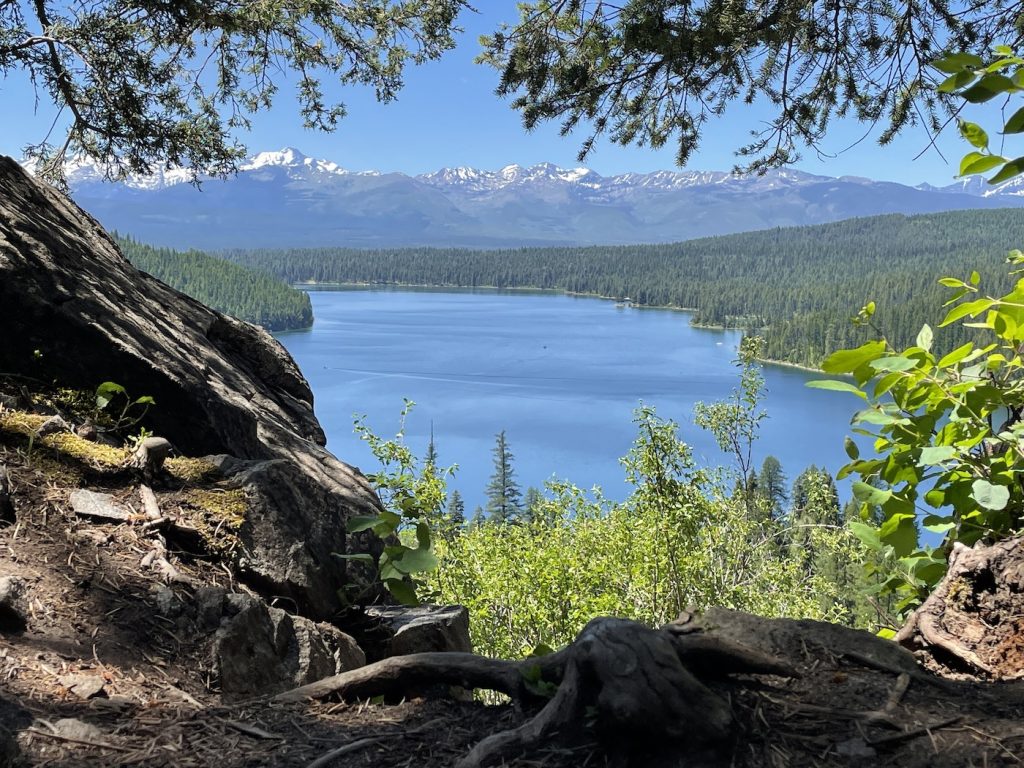
Swan Valley sits 90 minutes south of Glacier’s west entrance via scenic Highway 83. While not immediately adjacent to the park, this position offers advantages that many Glacier visitors never consider.
The drive from Swan Valley to Glacier follows one of Montana’s most beautiful scenic routes through the Seeley-Swan Valley corridor. The journey itself becomes part of the experience rather than a commute to tolerate.
Why Swan Valley Works for Glacier Visitors
Many Glacier visitors spend only 1-2 full days actually in the park, dedicating the rest of their trip to surrounding area exploration. If you’re planning 4-7 nights in the region, staying in Swan Valley and making day trips to Glacier often makes more sense than paying premium rates for immediate park proximity.
Swan Valley provides its own world-class recreation opportunities including hiking, fishing, wildlife viewing, and access to the Bob Marshall Wilderness Complex. Your trip becomes a broader Montana mountain experience rather than exclusively focused on one crowded national park.
Pricing Comparison
Swan Valley cabin rentals run 40-50% less than comparable properties near Glacier:
– Quality cabins (modern amenities, mountain views): $150-250/night vs $350-500/night near Glacier – Luxury properties: $250-400/night vs $500-800+/night near Glacier
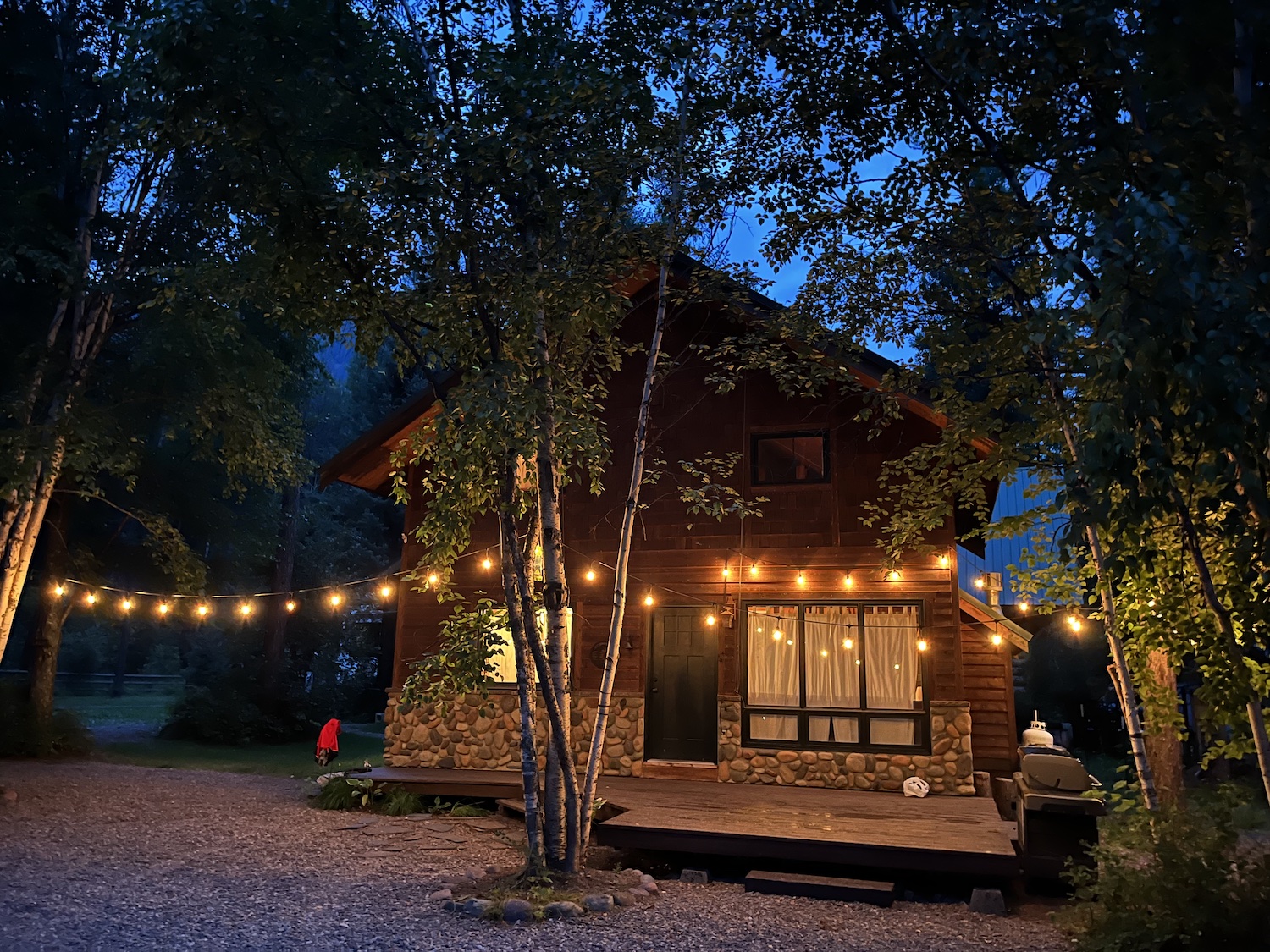
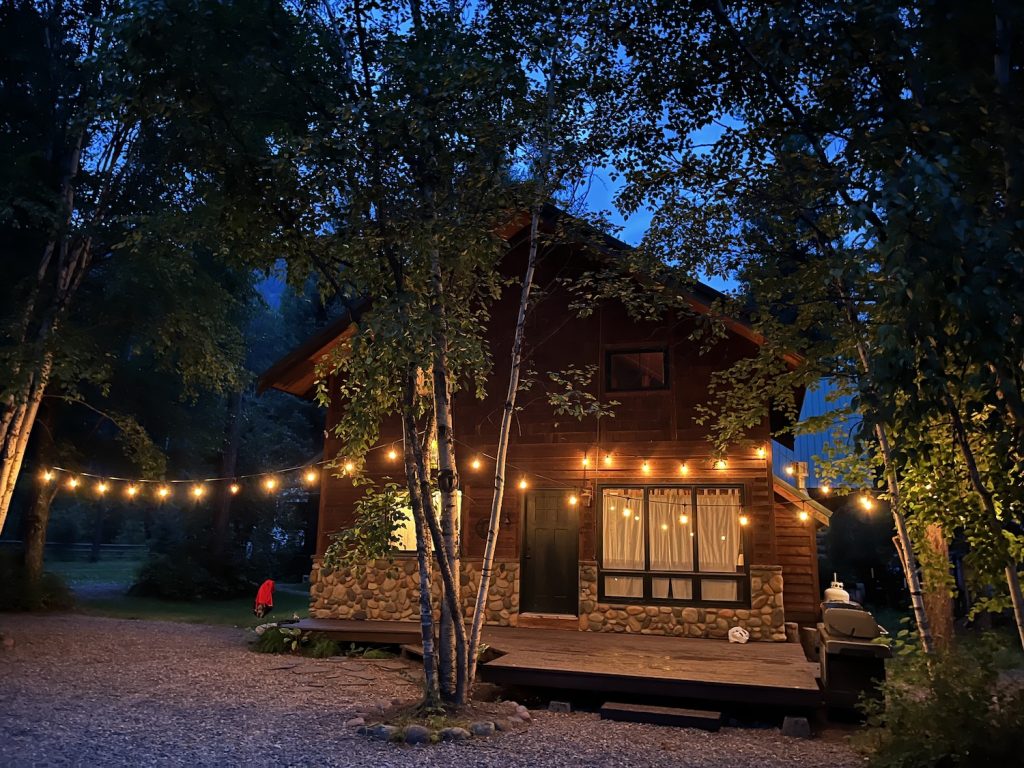
Example: Swan River Lodge, a quality 1-bedroom cabin that is fully furnished and has a kitchen stocked with everything 1-3 travelers would need. It’s also on a property that has 10 private acres with Swan River access. Yes, it’s snug, but it books for $120-140/night during peak season. Not a bad deal if you don’t plan to spend lots of hours inside your hotel or room. Comparable properties in West Glacier run $400-500/night.
Booking directly through property websites (like swanvalleystay.com) often provides additional discounts of 10-15% compared to booking platforms.
What You Can Do in Swan Valley
Swan Valley isn’t a consolation prize or budget compromise. The area offers exceptional recreation that rivals Glacier in many ways:
Hiking Holland Lake Falls Trail, Crystal Lake Trail, and numerous other routes provide spectacular mountain scenery without Glacier’s crowding.
Water Activities: The Swan River, Holland Lake, and surrounding waters offer fishing, swimming, kayaking, and paddleboarding.
Wildlife Viewing: The Swan Valley supports healthy populations of deer, elk, moose, black bears, and grizzly bears. Wildlife viewing often exceeds Glacier as animals haven’t learned to avoid humans.
Winter Recreation: World-class snowmobiling and Nordic skiing attract winter visitors who never see summer’s crowds. (Internal link: Winter Activities Swan Valley & Seeley Lake)
Bob Marshall Wilderness: Access to this 1.5 million-acre wilderness complex provides adventure opportunities that rival any national park.
For complete activity details, see our comprehensive guide to things to do in Swan Valley. (Internal link: Things to Do in Swan Valley)
Lodging Options in Swan Valley
Swan Valley offers diverse lodging from private vacation rentals to small resorts:
Swan River Lodge provides excellent value for families and groups. Located on 10 private acres backing onto the Swan River, the property offers modern amenities, full kitchen, comfortable sleeping for 6 guests, and true privacy. Book direct at swanvalleystay.com for a 15% discount compared to booking platforms. (Internal link: swanvalleystay.com)
Holland Lake Lodge offers rustic cabins and lodge rooms with restaurant and bar. This historic property provides a genuine Montana mountain lodge experience. (Internal link: Holland Lake Lodge)
Additional vacation rentals, small motels, and cabin properties provide options at various price points, all significantly below Glacier area rates.
For detailed lodging comparisons and booking recommendations, see our guide to where to stay in Swan Valley. (Internal link: Where to Stay in Swan Valley)
The Day Trip Strategy
Staying in Swan Valley while day tripping to Glacier works best with this approach:
Day 1-2: Explore Glacier National Park with early morning starts. Pack lunch and spend a full day in the park. The 90-minute drive means leaving by 6:30-7:00 AM for prime morning wildlife viewing.
Day 3-4: Explore Swan Valley attractions. Holland Lake, local hiking trails, fishing, and relaxation. These days require no driving and let you appreciate your lodging location.
Day 5: Optional second Glacier visit or continued local exploration.
This pattern provides 2 full Glacier days while avoiding the burnout of multiple long park days in crowded conditions. You’ll spend less time frustrated in traffic and more time enjoying diverse Montana experiences.
Advantages
Pricing runs 40-50% below comparable Glacier area accommodations. Availability is significantly better, with booking possible weeks rather than months in advance. Properties offer more space and privacy than typical vacation rentals in tourist areas.
The Swan Valley experience includes activities and scenery that rival Glacier without the crowds. You’ll discover parts of Montana that 95% of park visitors never see. Wildlife viewing and outdoor recreation often exceed the park experience.
Local services and restaurants charge normal Montana prices rather than tourist premiums. The area maintains authentic Montana character without manufactured tourist town atmosphere.
Disadvantages
The 90-minute drive to Glacier’s west entrance adds 3 hours daily commute when visiting the park. Early morning starts give an advantage for prime wildlife viewing in Glacier. Spontaneous evening returns to the park for sunset aren’t practical.
On the flip side, it is nice to arrive at the park in the afternoon when the vehicle permit requirement is lifted. It doesn’t get dark until 10:30pm in Montana in the summer, so you can still get a lot of activity in while avoiding the chaotic morning rush and traffic into the park.
This approach works best for visitors planning multiple days in the region rather than those focused exclusively on maximizing park time. If your goal is spending every possible moment inside Glacier National Park, staying closer makes more sense despite higher costs.
Best For
Swan Valley works exceptionally well for:
– Budget-conscious families seeking quality accommodations at reasonable rates – Visitors planning 5-7+ night trips who want to explore beyond just Glacier – People who value privacy, space, and authentic Montana experiences – Travelers visiting during peak season who can’t find or afford near-park lodging – Anyone seeking to avoid crowded tourist areas while still accessing Glacier
Booking Tips and Strategies
How Far in Advance to Book
Peak summer season (July-August) near-park accommodations: – West Glacier area: 9-12 months in advance – Whitefish: 6-9 months in advance – Columbia Falls: 4-6 months in advance – East Glacier: 4-6 months in advance – Swan Valley: 2-8 weeks in advance
Shoulder seasons (May-June, September) typically allow booking 3-6 months out, though availability improves closer to dates as some visitors cancel plans.
Direct Booking vs Platforms
Many cabin owners offer direct booking through property websites with discounts of 10-15% compared to Airbnb or VRBO. The platforms charge owners 15-20% fees, and smart owners pass those savings to guests who book directly.
Search platforms first to find properties and read reviews, then visit property websites to check direct booking options. Compare final prices including all fees before booking.
Swan Valley Stay, for example, offers 15% discounts for direct bookings at swanvalleystay.com compared to platform rates.
Minimum Stay Requirements
Peak season often requires 3-7 night minimums, particularly for weekends. Properties closer to park entrances tend to have longer minimum stays. Some strategies to work around this:
– Book longer than needed and explore beyond Glacier – Target weekday arrivals which sometimes have shorter minimums – Book shoulder seasons when minimums relax – Consider properties slightly farther from park which have more flexible policies
Cancellation Policies
Pay close attention to cancellation policies when booking many months in advance. Generous cancellation policies (full refund 30-60 days prior) provide flexibility if plans change.
Many properties shifted to stricter policies post-pandemic, particularly during peak season. Read the fine print before committing to expensive reservations made far in advance.
Vehicle Requirements
All cabin areas require personal vehicles. Public transportation to Glacier National Park is extremely limited. The park’s free shuttle system operates during summer on Going-to-the-Sun Road but doesn’t reach most lodging areas.
Ensure your vehicle is well-maintained before trips. Mountain driving in all areas means steep grades, winding roads, and winter hazards during much of the year. Many rental car companies restrict travel on certain park roads.
Making Your Decision
Questions to Ask Yourself
How many days are you planning? 3-4 day trips favor staying close to the park to maximize limited time. 5-7+ day trips allow more flexibility to explore beyond Glacier, making alternatives like Swan Valley more attractive.
What’s your budget? If paying $400-500/night for accommodations doesn’t significantly impact your trip budget, proximity to the park may be worth the premium. If that pricing strains your budget, alternatives saving 40-50% make more sense.
What kind of experience do you want? Resort town amenities and nightlife point toward Whitefish. Immediate park access suggests West Glacier. Peaceful mountain experience with diverse recreation indicates Swan Valley.
How important is avoiding crowds? If crowds and tourist areas frustrate you, options farther from the park provide more authentic experiences. If convenience trumps atmosphere, near-park locations make sense.
Recommended Approach by Trip Length
3-4 days: Stay in West Glacier area if budget allows, or Columbia Falls for better value while maintaining reasonable access. Short trips benefit from proximity to maximize limited park time.
5-7 days: Consider Swan Valley or similar alternatives to save 40-50% on lodging while exploring beyond just Glacier. This trip length allows multiple full park days plus time enjoying your lodging area.
7+ days: Swan Valley or east side options work very well. Longer trips reduce the impact of drive time while allowing comprehensive regional exploration. You’ll appreciate the cost savings and discover Montana beyond the park.
**Winter trips:** Swan Valley excels for winter visits, offering world-class snowmobiling and Nordic skiing while avoiding Glacier area closures and limited winter services. (Internal link: Winter Activities Swan Valley & Seeley Lake)
Budget Examples
Economy Budget (West Glacier): $350/night x 5 nights = $1,750
Economy Budget (Swan Valley): $200/night x 5 nights = $1,000
Savings: $750 (43% less)
Mid-Range Budget (West Glacier): $500/night x 7 nights = $3,500
Mid-Range Budget (Swan Valley): $250/night x 7 nights = $1,750
Savings: $1,750 (50% less)
These savings can fund additional activities, better dining, or extend your trip by several days.
Beyond Glacier: Making the Most of Your Trip
Exploring the Broader Region
Montana’s northwestern corner offers far more than just Glacier National Park. The Seeley-Swan Valley corridor, Bob Marshall Wilderness Complex, Flathead Valley, and countless smaller attractions provide world-class experiences that many visitors miss while focusing exclusively on the park.
Consider dedicating portions of your trip to exploring beyond Glacier. You’ll discover places where you’re one of dozens rather than thousands of visitors, where wildlife viewing exceeds the park, and where authenticity hasn’t been replaced by tourist infrastructure.
The Swan Valley region, in particular, offers hiking, fishing, wildlife viewing, and scenic beauty that rivals the park without the crowds. Many visitors return specifically for these lesser-known areas after their Glacier introduction. (Internal link: Things to Do in Swan Valley)
Seasonal Considerations
Summer (July-August): Peak season brings crowds, highest prices, and full park access. Going-to-the-Sun Road is fully open. This is also when alternatives to near-park lodging make the most sense as saving 40-50% on accommodations funds other trip experiences.
Shoulder Season (May-June, September): Excellent weather with fewer crowds and lower prices. Going-to-the-Sun Road typically opens late June and closes mid-September, limiting full park access during shoulder season. Late June and early September provide the best balance.
Winter (December-March): Glacier has limited access and services, but the region offers exceptional winter recreation. Swan Valley provides world-class snowmobiling and Nordic skiing that attracts visitors specifically for winter experiences. (Internal link: Winter Activities Swan Valley & Seeley Lake)
Spring (April-May): Mud season with limited trail access and unpredictable weather. Many accommodations and services remain closed. This is the least desirable time to visit unless you specifically seek solitude and don’t mind challenging conditions.
Start Planning Your Glacier Trip
Finding the perfect cabin near Glacier National Park requires balancing proximity, price, and overall experience. Near-park options like West Glacier provide unbeatable access but command premium pricing and require very early booking. Alternatives like Swan Valley offer 40-50% savings, better availability, and exceptional recreation in their own right.
Consider your trip length, budget, and priorities when making your decision. Longer trips especially benefit from the cost savings and diverse experiences of staying beyond the immediate park area.
Ready to explore your options? Check availability and rates for Swan River Lodge in Swan Valley at swanvalleystay.com and save 15% by booking direct. For more Montana cabin options, see our complete guide to Montana cabin rentals. (Internal links: swanvalleystay.com, Montana Cabin Rentals)