Holland Lake Lodge Montana: History, Location, and Things to Do
Holland Lake Lodge sits at the base of the Mission Mountains in Swan Valley, Montana. Originally built in 1924, this historic property served generations of visitors seeking access to wilderness recreation in northwest Montana. The lodge operated for nearly a century as a year-round destination offering lodging, dining, and outdoor recreation rentals.
Located approximately 90 miles from Glacier National Park and 60 miles from Missoula, Holland Lake Lodge occupied a central position in Swan Valley’s tourism infrastructure. The property sits on the shore of Holland Lake at an elevation of 4,100 feet, providing direct access to trails, water activities, and backcountry wilderness areas.
As of recent years, the lodge’s operational status has changed. Visitors to the area should verify current access and services before planning trips that depend on lodge amenities.
How to Get to Holland Lake Lodge
Holland Lake Lodge is located 14 miles northeast of Condon, Montana on Highway 83. From Condon, drive north on Highway 83 for approximately 12 miles. Turn right onto Holland Lake Road (Forest Road 44). Continue 2.3 miles on Holland Lake Road. The lodge sits at the end of the road near the public day use area.
From Missoula, the drive takes approximately 90 minutes. Take Highway 83 north through Seeley Lake and continue into Swan Valley. The total distance is roughly 60 miles from Missoula.
From Kalispell and points north, the drive requires approximately 2 hours. Take Highway 83 south through Bigfork and continue past Swan Lake. The drive covers about 70 miles.
Highway 83 remains open year-round, though winter conditions can require chains or four-wheel drive. Holland Lake Road receives regular plowing in winter but conditions vary. Check Montana road reports before winter visits.
The nearest gas stations are located in Condon (14 miles south) and Swan Valley Center (approximately 8 miles south). Cell phone service is limited throughout the Swan Valley corridor. AT&T and Verizon provide intermittent coverage near the lodge, but service should not be relied upon for navigation or emergencies.
History of Holland Lake Lodge
Holland Lake Lodge was established in 1924 by Charles and Mabel Holland, who homesteaded the property and built the original lodge structure. The Hollands operated the lodge as a remote wilderness resort, accessible primarily by boat across Holland Lake during the early years.
According to historical records referenced by the Montana Historical Society, the lodge served as a stopover point for backcountry travelers accessing the Bob Marshall Wilderness Complex. Early guests arrived by horseback or boat, with road access developing gradually through the 1930s and 1940s.
The lodge changed ownership several times over the following decades. Each successive owner maintained the property’s function as a base camp for wilderness recreation. The main lodge building retained much of its original log construction, with additions and renovations occurring in the 1950s, 1970s, and early 2000s.
By the 1960s, Holland Lake Lodge had developed a reputation for rustic accommodations and family-style dining. The property operated cabins in addition to lodge rooms, accommodating groups and families seeking extended stays in the Mission Mountains.
In 2021, the lodge was acquired by new ownership with plans for significant renovation and expansion. This ownership change triggered substantial local and regional discussion about the future of the property and its role in Swan Valley’s tourism economy.
The Forest Service lease governing the lodge’s operations became a subject of public interest as the community evaluated proposed changes to the historic property. News coverage from Montana outlets documented these developments through 2021-2024.
What Holland Lake Lodge Offered Historically
Holland Lake Lodge operated as a full-service mountain resort for nearly a century. The property provided overnight accommodations in both the main lodge building and separate cabin structures scattered across the grounds. Guest rooms featured basic amenities consistent with rustic mountain lodging, including simple furnishings, wood heating, and shared or private bathrooms depending on the accommodation type.
The lodge’s restaurant served breakfast, lunch, and dinner to overnight guests and day visitors. The dining room operated in the main lodge building, offering views of Holland Lake and the Mission Mountains. Menu items focused on American cuisine with an emphasis on Montana ingredients and hearty portions suitable for active outdoor recreation.
Watercraft and Equipment Rentals
Holland Lake Lodge maintained a rental operation providing access to boats, kayaks, canoes, and paddleboards. These rentals allowed visitors without personal watercraft to explore Holland Lake’s 400 acres of surface area.
Kayak and paddleboard rentals were available by the hour or full day. Canoes and small motorboats could be rented for extended periods. The rental operation included basic safety equipment such as life jackets and paddles.
During winter months, the lodge historically offered cross-country ski rentals and snowshoe equipment. These rentals supported access to groomed trails and backcountry routes in the surrounding national forest lands.
Fishing equipment, including rods and basic tackle, was available for rent to guests targeting Holland Lake’s population of brook trout and cutthroat trout. The lodge provided guidance on productive fishing locations and techniques suited to the lake’s conditions.
[IMAGE PLACEHOLDER] – Image file name: holland-lake-lodge-historic-building.jpg – Alt text: Holland Lake Lodge historic main building – Caption: The original Holland Lake Lodge structure, built in 1924 – Description: Exterior view of the main lodge building showing log construction and mountain setting
Things to Do Near Holland Lake Lodge
Holland Lake serves as a base for numerous outdoor activities in Swan Valley and the surrounding Mission Mountains. The area provides access to water-based recreation, hiking trails, fishing opportunities, and backcountry wilderness experiences.
The Bob Marshall Wilderness Complex borders the area to the east, offering extensive backcountry hiking and horseback opportunities. The Holland Lake area serves as one of the primary western access points to this wilderness system.
Wildlife viewing opportunities include elk, white-tailed deer, black bears, and numerous bird species. The Mission Mountains support populations of mountain goats visible on higher elevations during summer months.
Hiking Near Holland Lake Lodge
The Holland Lake Falls trail is the most popular hiking route in the immediate area. This moderate trail gains approximately 600 feet of elevation over 3 miles, leading to a substantial waterfall on Holland Creek. The trail receives heavy use during summer months, particularly on weekends.
[Holland Lake Falls Trail: Complete Hiking Guide]
The Holland Lake Trail continues past the falls, extending into the Bob Marshall Wilderness. This route serves as the primary hiking and horseback access to the wilderness interior from the west side. The trail climbs steadily through forest and meadow environments, reaching Upper Holland Lake after approximately 6 miles of hiking.
The Necklace Lakes trail system is accessible via the Holland Lake trail network. This route requires approximately 8-10 miles of hiking to reach the lower lakes, making it suitable for experienced day hikers or overnight backpackers.
Gordon Creek Trail provides an alternative hiking option north of Holland Lake. This trail accesses the Gordon Creek drainage and connects to routes leading toward Fatty Creek and deeper wilderness areas.
For families and visitors seeking shorter walking options, the Holland Lake Loop Trail circles the lakeshore. This relatively flat trail covers approximately 2 miles and provides access to swimming and picnic areas.
Fishing at Holland Lake
Holland Lake supports populations of brook trout and westslope cutthroat trout. The lake reaches depths of approximately 100 feet, with productive fishing areas located along drop-offs and near creek inlets.
Shore fishing is accessible from the public day use area and various points along the Holland Lake Loop Trail. Boat fishing provides access to deeper water and less pressured fish populations.
Fly fishing techniques work well during insect hatches, particularly in spring and fall. Spinning gear with small lures or bait remains effective throughout the season. Montana fishing regulations apply, requiring appropriate licenses and adherence to catch limits.
Water Recreation
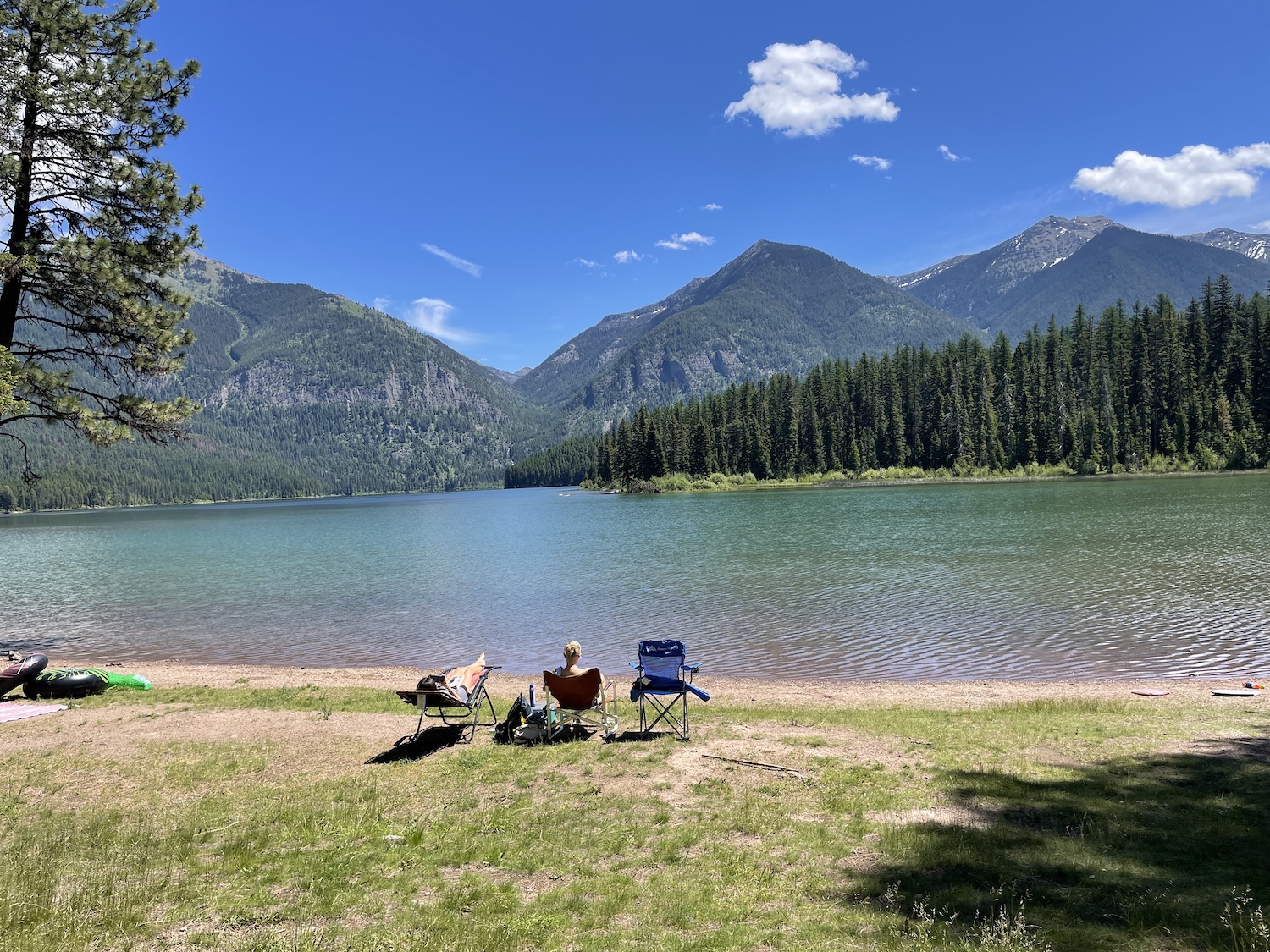
Holland Lake’s clear, cold water attracts swimmers during summer months. The public day use area includes a designated swimming beach with sandy access points. Water temperatures remain cold even in summer, typically ranging from 55-65 degrees Fahrenheit.
Stand-up paddleboarding and kayaking provide alternative ways to explore the lake. The relatively calm waters suit beginning paddlers, though afternoon winds can create challenging conditions.
Where to Stay Near Holland Lake Lodge
Lodging options in Swan Valley include vacation rentals, Forest Service campgrounds, and limited commercial accommodations. The area’s dispersed lodging infrastructure reflects its character as a less-developed alternative to busier Montana tourist corridors.
Condon, Montana (14 miles south) provides the nearest concentration of services including gas, limited groceries at Mission Mountain Mercantile, and the Hungry Bear Restaurant. Seeley Lake (35 miles south) offers additional lodging, dining, and shopping options.
For visitors seeking private vacation rental accommodations near Holland Lake, Swan River Lodge is located in Condon on 10 private acres backing onto the Swan River. The property provides access to Cold Creek Bridge for swimming and fishing, with Holland Lake approximately 15 minutes away by vehicle. Direct booking through Swan Valley Stay offers a 15 percent discount compared to third-party booking platforms, reducing total lodging costs while maintaining access to Swan Valley attractions.
Forest Service campgrounds provide budget-conscious lodging alternatives. The Holland Lake Campground operates seasonally adjacent to the day use area, offering approximately 40 campsites with basic amenities including vault toilets and potable water. Reservations are recommended for summer weekends.
Additional campgrounds in the Swan Valley corridor include Seeley Lake-area facilities and dispersed camping opportunities on national forest lands. Dispersed camping requires adherence to Leave No Trace principles and awareness of seasonal fire restrictions.
Holland Lake Lodge in the News
Coverage of Holland Lake Lodge has appeared in multiple Montana news outlets in recent years, focusing primarily on ownership changes and proposed development plans.
Montana Free Press reported on the 2021 acquisition and subsequent community response to renovation proposals. The coverage documented public comment periods and Forest Service lease review processes related to the lodge’s future operations.
The Flathead Beacon published articles examining the lodge’s historical significance and the debate surrounding modernization versus preservation of the property’s rustic character. As reported by the Flathead Beacon, community members expressed varying perspectives on the appropriate scale and nature of development at the historic site.
Missoula Current covered public meetings where stakeholders discussed the lodge’s role in Swan Valley’s tourism economy and recreational access. These meetings highlighted tensions between commercial development interests and public access priorities.
The evolving status of Holland Lake Lodge reflects broader questions about appropriate development levels in Montana’s recreation-dependent communities. The property’s position on Forest Service land adds complexity to decision-making processes, requiring consideration of public interest alongside commercial viability.
Visitors planning trips to the Holland Lake area should verify current operational status and available services before arrival. The lodge’s amenities and access policies may differ from historical patterns depending on ongoing development and operational decisions.
Planning Your Visit to Holland Lake
The Holland Lake area is accessible year-round, though seasonal conditions significantly affect activity options and access logistics.
Best Time to Visit
Summer months (June through September) provide the most reliable weather and full access to trails and water activities. July and August bring the warmest temperatures, with daytime highs typically ranging from 70-85 degrees Fahrenheit. These peak months also bring the highest visitor numbers, particularly on weekends.
Spring (May through early June) offers good hiking conditions but limited water recreation due to cold temperatures. Snowmelt swells Holland Creek, creating impressive waterfall flows. Trails may retain snow at higher elevations through mid-June.
Fall (September through October) brings reduced crowds and excellent conditions for hiking. Fall colors peak in late September through early October. Water levels drop, potentially affecting boat launching. Temperatures cool significantly, with frost possible by mid-September.
Winter transforms the area into a snow recreation destination. Cross-country skiing and snowshoeing replace summer activities. Highway 83 remains open but requires winter driving preparation. Daylight hours shorten significantly from November through February.
Weather Considerations
Mountain weather changes rapidly in the Mission Mountains. Summer thunderstorms develop frequently in afternoons, particularly July and August. Carry rain gear and plan high-elevation activities for morning hours when weather is typically more stable.
Winter temperatures regularly drop below zero Fahrenheit. Wind chill factors increase exposure risk. Avalanche danger exists in the surrounding mountains from December through April. Check local avalanche forecasts before winter backcountry travel.
Spring weather remains highly variable. Temperatures can swing from freezing to 60 degrees within a single day. Precipitation falls as rain or snow depending on elevation and temperature.
What to Bring
All visitors should carry the Ten Essentials for backcountry travel: navigation tools, sun protection, insulation, illumination, first aid supplies, fire starting equipment, repair kit, nutrition, hydration, and emergency shelter.
Bear spray is recommended for all hiking activities. Both black bears and grizzly bears inhabit the Swan Valley. Proper food storage prevents wildlife conflicts. Hard-sided containers or bear-resistant canisters are required for overnight camping in designated areas.
Fishing requires a Montana fishing license, available online or at retail outlets in Seeley Lake and other regional communities. Non-residents must purchase appropriate licenses before fishing.
Water purification equipment is necessary for backcountry hiking. Holland Creek and lake water should be filtered or treated before drinking.
Layers work better than single heavy garments. Morning temperatures may sit in the 40s while afternoon temperatures reach 80s. Synthetic or wool materials perform better than cotton in wet or cold conditions.
Leave No Trace Principles
The Holland Lake area receives heavy recreational use. Minimizing impact helps preserve the area’s natural character and reduces environmental degradation.
Pack out all trash including food waste and toilet paper. Facilities are limited on trails beyond the trailhead area.
Camp in established sites when possible. Avoid creating new campsites or expanding existing sites. Keep camps at least 200 feet from water sources.
Human waste should be buried 6-8 inches deep and at least 200 feet from water sources and trails. Pack out toilet paper or bury it deeply with waste.
Campfires should be built only in established fire rings when permitted. Check current fire restrictions before planning fires. Use existing dead and down wood rather than cutting standing trees. Fully extinguish fires before leaving camp.
Respect wildlife by observing from distance. Never feed animals. Store food properly to prevent habituation and conflicts.
Stay on established trails to prevent erosion and vegetation damage. Cutting switchbacks accelerates trail degradation.
Getting Around Swan Valley
The Swan Valley corridor extends approximately 90 miles along Highway 83 from Seeley Lake north to Bigfork. Services are widely dispersed, with substantial distances between commercial establishments.
Personal vehicles provide the primary transportation method. No public transportation serves the area. Bicycle touring is possible but requires preparation for long distances between services and significant wildlife awareness.
Condon (population approximately 300) serves as the nearest community to Holland Lake. The Mission Mountain Mercantile provides groceries, basic supplies, camping equipment, and fishing tackle. Prices reflect remote location premium.
Swan Valley Center, located approximately 8 miles south of Holland Lake Road, offers additional shopping including ice cream and improved fishing gear selection compared to the Mercantile.
The Hungry Bear Restaurant in Condon provides dining options, typically open Wednesday through Sunday. Hours and days vary seasonally. Call ahead or check social media for current operating schedule.
The Mercantile at mile marker 45 in Condon provide the nearest fuel to Holland Lake. Seeley Lake offers additional fuel, groceries, and services 35 miles south. Bigfork, 60 miles north, provides full-service community amenities.
The Forest Service Information Station located near the Condon airport operates seasonally, providing maps, trail conditions, and wilderness permits. Hours vary by season.